Unlocking Opportunities for Foreign Investors in 2025
Qatar’s real estate market has emerged as a beacon for foreign investors in recent years. With its tax-free environment, robust infrastructure development, and visionary government policies, the country is attracting significant international capital. In 2025, Qatar continues to solidify its position as a prime destination for real estate investment, fueled by initiatives aligned with its National Vision 2030.
A Favorable Investment Climate
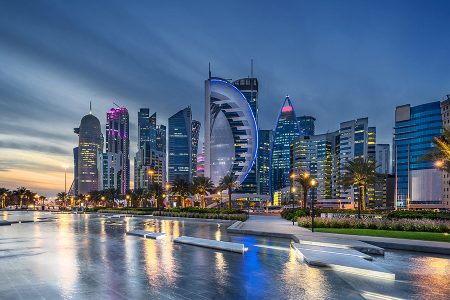
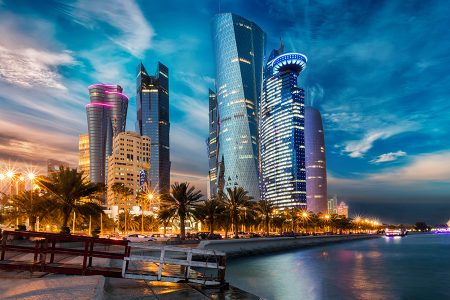
Qatar’s investor-friendly environment is one of the key drivers of foreign investment. The government has enacted reforms to simplify property ownership laws for expatriates, including Law No. 16 of 2022, which allows non-Qataris to own real estate in designated areas with full ownership rights. This change has opened up lucrative opportunities for foreign buyers and investors.Additionally, the country’s political stability and absence of personal income tax create an appealing landscape for investors seeking long-term returns. Prime locations such as The Pearl-Qatar, Lusail City, and West Bay continue to be hotspots for high-value real estate investments.
Market Trends and Growth Statistics
- Foreign investment in Qatar’s real estate sector increased by 15% in 2024, reflecting growing international confidence. (Source: Qatar Central Bank Annual Report 2024)
- Residential and commercial real estate prices in key areas such as Lusail and The Pearl have seen a 6% year-over-year growth, driven by sustained demand. (Source: Qatar Real Estate Market Review 2024)
- The rental yield in Qatar’s luxury property market remains among the highest in the region, averaging 5-6% annually, making it a magnet for investors. (Source: Colliers International)
Key Sectors Attracting Foreign Capital
Luxury Residential Properties: High-net-worth individuals are drawn to Qatar’s upscale developments, particularly in The Pearl and Lusail, which offer world-class amenities and waterfront views.
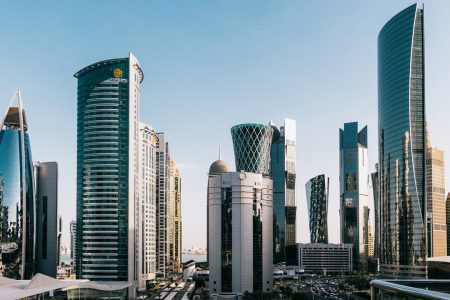
Commercial Real Estate: The growing influx of multinational companies has spurred demand for office spaces, particularly in Doha’s central business districts.
Mixed-Use Developments: Integrated projects combining residential, retail, and recreational spaces, such as Msheireb Downtown Doha, are becoming increasingly popular among investors.
Challenges and Future Outlook
Despite its growth, the market faces challenges such as limited public awareness about new ownership laws and high entry costs for certain developments. However, government-backed promotional campaigns and collaborations with global investors aim to address these barriers.
Looking ahead, Qatar’s hosting of major international events, like the Expo 2027, and its continued investment in infrastructure will further enhance its real estate market’s attractiveness to foreign investors.
Conclusion
Qatar’s progressive policies, coupled with its strategic location and economic resilience, position the country as a leading hub for foreign real estate investment. As the market continues to evolve, it offers abundant opportunities for international investors to secure high returns and long-term growth.