Sustainability and Smart Technology in Qatar
Qatar is at the forefront of integrating sustainability and innovative technology into its real estate sector, reflecting its commitment to environmental conservation and modernization. As part of its National Vision 2030, Qatar aims to create a diversified and sustainable economy, with green real estate playing a critical role in achieving this ambition.
Green Building Initiatives
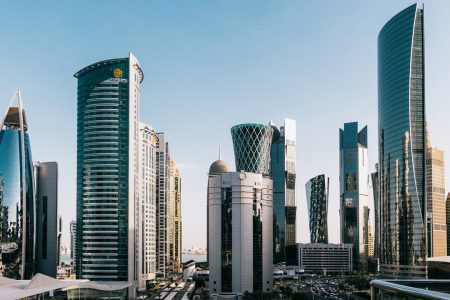
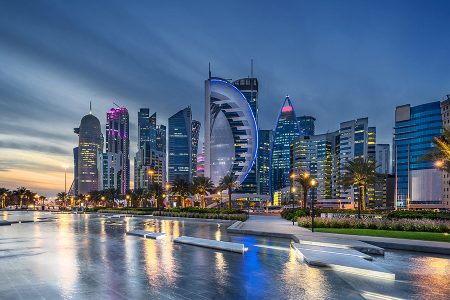
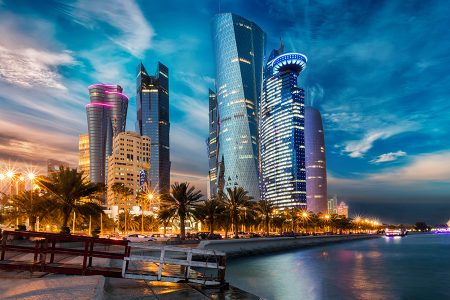
The government has introduced stringent regulations and incentives to promote eco-friendly construction. Projects are increasingly adhering to Qatar’s Green Building Code, which mandates the use of energy-efficient materials, water-saving fixtures, and renewable energy sources. High-profile developments like Lusail City and Msheireb Downtown Doha are exemplary models of sustainable urban planning. These areas boast energy-efficient infrastructure, extensive green spaces, and advanced waste management systems, setting benchmarks for future projects.
Integration of Smart Technologies
Innovative technology is revolutionizing Qatar’s real estate landscape by enhancing efficiency and convenience. Developers are embedding Internet of Things (IoT) solutions, smart grids, and automated building management systems into their projects. For instance, residents of smart communities in The Pearl-Qatar and Lusail City enjoy automated climate control, remote energy monitoring, and intelligent security systems, ensuring a seamless living experience while minimizing energy consumption.The integration of Artificial Intelligence (AI) and big data analytics is further optimizing energy usage in commercial and residential properties. Predictive maintenance systems, for example, identify potential issues before they escalate, reducing resource wastage and maintenance costs.
Market Statistics
- The real estate sector in Qatar is expected to grow at a compound annual growth rate (CAGR) of 5.2% between 2023 and 2028, driven by infrastructure developments and increasing foreign investments. (Source: Mordor Intelligence)
- Qatar’s property market recorded a 7% increase in transaction values in 2024 compared to the previous year, highlighting sustained investor interest. (Source: Qatar Central Bank Annual Report 2024)
- Green building projects now account for 30% of all new developments in Qatar, showcasing a shift towards sustainable construction. (Source: Qatar Green Building Council)
Economic and Environmental Impact
Sustainability-focused real estate not only aligns with global environmental goals but also delivers economic benefits. Energy-efficient buildings reduce operational costs for owners and tenants, making them increasingly attractive in the competitive market. Moreover, Qatar’s commitment to green construction boosts investor confidence, aligning with the growing global preference for sustainable assets.
Challenges and Future Outlook
While the progress is promising, challenges such as high upfront costs for sustainable technologies and limited public awareness about green practices persist. However, government-backed initiatives and collaborations with international sustainability organizations are addressing these barriers. The adoption of advanced technologies and a robust regulatory framework position Qatar as a leader in sustainable real estate in the Middle East.
Conclusion
By prioritizing sustainability and innovative technology, Qatar is not only reducing its environmental footprint but also creating value for investors and residents. As these trends continue to evolve, they will play a pivotal role in shaping the future of the country’s real estate sector.